If you play at sweepstakes casinos and have been lucky enough to win, you may have asked yourself: do I owe taxes on my winnings?
The short answer is yes, winnings are taxable in the US, and understanding how this all works can save you headaches at tax time. To learn more and have all your questions answered, simply read on!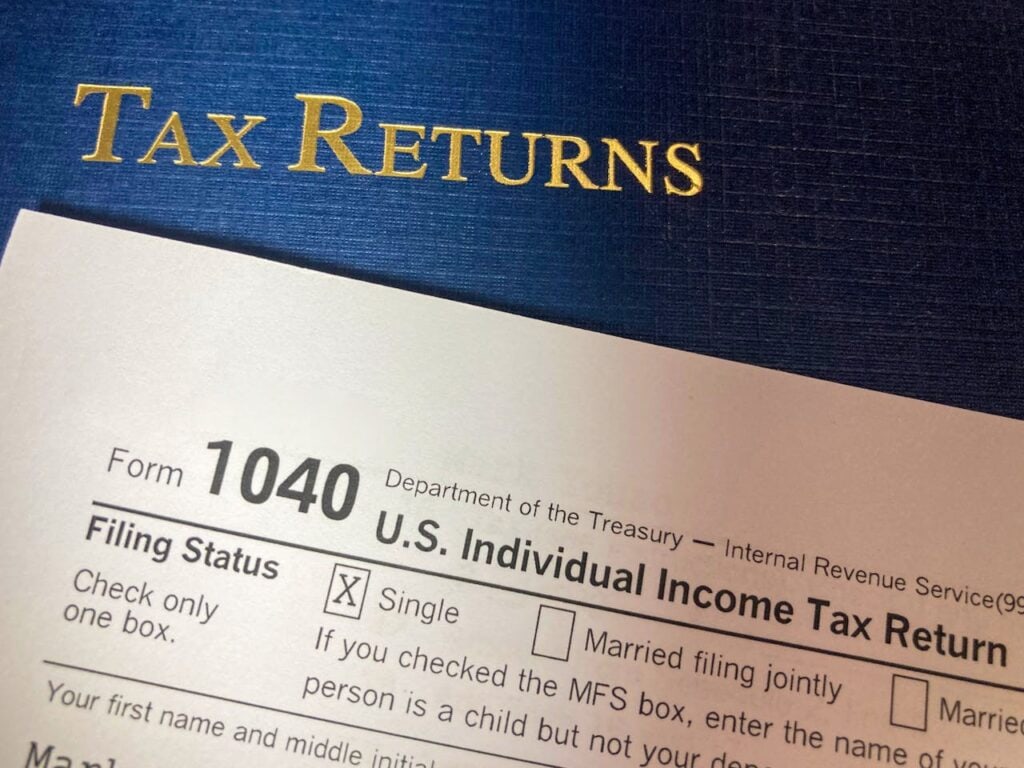
This article is for informational purposes only and does not constitute legal or tax advice. Tax rules can vary based on your individual circumstances. Always consult a qualified tax professional if you have questions about your sweepstakes winnings.
Sweepstakes Winnings Are Taxable Income
All US sweepstakes winnings must be reported as income on your federal tax return, usually on Form 1040 under ‘Other Income’. You can combine winnings from multiple casinos into a single total but should keep records to support the various amounts.
Even if the winnings come from bonus funds, they are still taxable. From the IRS’s perspective, the source of the win doesn’t matter – what matters is that you received something of value.
You might receive a 1099-MISC (often digitally) if your prize exceeds $600, but even if you don’t get a form, the IRS still expects you to report all sweepstakes winnings, no matter the amount. The $600 threshold only determines whether the casino must send you a 1099-MISC.
Sweepstakes winnings are not considered gambling income, so you will not receive a W-2G from sweepstakes casinos.
Think of sweepstakes winnings like any other prize or income – the IRS wants to know about it whether or not a form is issued.
Receiving a 1099-MISC Doesn’t Change Your Tax Bill
Yes, a common source of confusion is the 1099-MISC. Here, the casino is essentially reporting your winnings to the IRS for you. It doesn’t create a new tax – you still owe tax on the same amount you won, whether or not a 1099-MISC arrives.
Prizes Over $5,000: Mandatory Withholding
Another figure to be aware of is the $5,000 mark. If you win a sweepstakes prize over this amount, federal law requires the casino or sweepstakes operator to withhold 24% of your winnings and send it directly to the IRS. This is not a separate tax – it’s just a payment towards your federal income tax.
When you file your Form 1040, you still report the full prize amount as income, just like any other sweepstakes winnings. The amount that was withheld by the casino is then credited against your total tax owed. If your total tax is higher than the withheld amount, you’ll pay the difference. If it’s lower, you may receive a refund.
Winnings Redeemed as Gift Cards
Many sweepstakes sites let you redeem prizes as gift cards, and it’s important to know the IRS treats gift cards just like cash for tax purposes – the value of the gift card counts as taxable income. For example, if you win a $500 Amazon gift card, you should report $500 as income on your Form 1040 under ‘Other Income’.
The same rules about 1099-MISC forms apply too. If the prize is over $600, you may receive a 1099-MISC showing the value of the gift card. For prizes over $5,000, federal withholding at 24% still applies, even if the payout is a gift card instead of cash.
State Taxes Vary
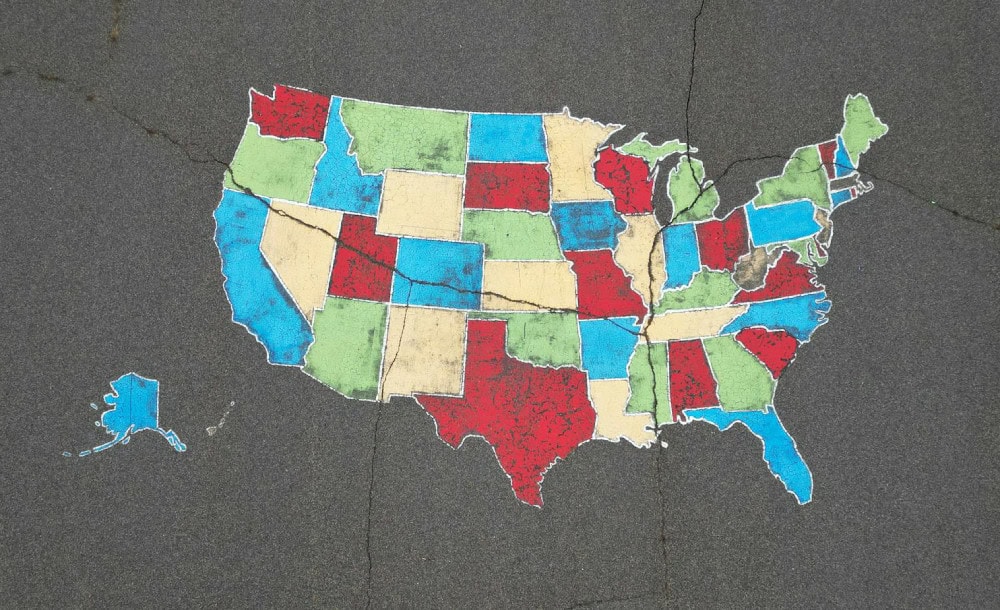
Everyone must file federal income tax, but whether you owe state income tax depends on where you live. Filing is based on your residency, not the location of the sweepstakes casino.
At both the federal and state level, sweepstakes winnings are simply added to your other income for the year. Your total income then determines which tax brackets apply.
For example, if you earn $50,000 from your job and win $5,000 in sweepstakes, your state taxable income would be $55,000 (this is the same totalling method as for federal tax).
States With No Personal Income Tax
The following states do not currently have a broad personal income tax, so sweepstakes winnings are not subject to state income tax for most residents:
- Alaska, Florida, Nevada, New Hampshire, South Dakota, Tennessee, Texas, Washington, and Wyoming.
- Tennessee and New Hampshire tax interest and dividends, but not prizes.
States With Personal Income Tax
The following states do tax income and therefore sweepstakes winnings:
- Alabama, Arizona, Arkansas, California, Colorado, Connecticut, Delaware, Georgia, Hawaii, Idaho, Illinois, Indiana, Iowa, Kansas, Kentucky, Louisiana, Maine, Maryland, Massachusetts, Michigan, Minnesota, Mississippi, Missouri, Montana, Nebraska, New Jersey, New Mexico, New York, North Carolina, North Dakota, Ohio, Oklahoma, Oregon, Pennsylvania, Rhode Island, South Carolina, Utah, Vermont, Virginia, West Virginia, Wisconsin.
Why Your Losses Don’t Reduce Taxes
Here’s the tricky part: sweepstakes are treated as prize income, not gambling income. Unlike traditional gambling winnings, W-2G forms do not apply to sweepstakes prizes.
This means any spending doesn’t reduce taxable winnings like it would with traditional gambling.
For example, if you spend $500 chasing sweepstakes prizes and win $1,000, the IRS will likely tax the full $1,000, disregarding the $500 spent.
Penalties for Not Reporting
Some players choose not to report sweepstakes winnings, but this is technically tax fraud. Failing to report taxable winnings can result in:
- IRS notices (CP2000)
- Penalties and interest
- Any future tax refunds you’re entitled to can be withheld and used to pay what you owe
Why Some Sweepstakes Casinos Ask for a W-9
Recently, some sweepstakes sites like SpeedSweeps have asked players to submit W-9 forms. This isn’t a new tax, it’s just the casino collecting your tax information so they can report winnings to the IRS correctly, usually on a 1099-MISC if your prize meets the reporting threshold.
Providing a W-9 helps keep everything above board. It ensures the casino has the information it needs to report your winnings accurately and prevents potential issues with withholding for large prizes.
Tips for Sweepstakes Players
- Track your spending and winnings – you can do this on a simple spreadsheet.
- Treat sweepstakes as entertainment, not guaranteed income.
- Set aside roughly 25–30% of larger winnings for taxes (federal + state).
- Consider consulting a tax professional if winnings are substantial.
Quick Recap
Playing sweepstakes can be fun, but the tax rules are strict.
All US players must report winnings on their federal return, and many will owe state taxes too. Losses are usually not deductible, and receiving a 1099-MISC doesn’t create a new tax – it just keeps you and the IRS aligned.
Knowing this upfront should make the 2025 tax season less stressful and allow you to enjoy sweepstakes gaming all the more!
FAQs
Do I have to pay taxes on sweepstakes winnings in the US?
Can I avoid paying taxes if I haven't received a 1099-MISC?
Can I avoid paying taxes if my winnings are below $600?
Can I deduct deposits or wagers from my sweepstakes winnings for tax purposes?
Are sweepstakes casinos that don’t send a 1099-MISC better to play at than those that do?
Are winnings derived from bonus funds exempt from tax?

Author: Mike F.
Updated: