




‘Alternative gaming’ is becoming one of the most talked-about topics in US gambling circles.

The Rise of Alternative Gaming in the US: New Markets & Trends
In simple terms, it’s a catch-all label for gaming styles outside of the traditional online casinos and sportsbooks – from sweepstakes/social casinos to skill-based contests, prediction markets, and other models that don’t always fit neatly into existing definitions.
With a slow and uneven rollout of legal online casino gaming across US states, plus skepticism towards offshore gambling platforms, demand exists for products that sit somewhere between entertainment apps and real-money gambling.
Below, we’ll break down the main categories you’ll find under the wide alternative gaming umbrella and point out the USPs and best examples for each:
SweepsKings treats readers like royalty. Our team works around-the-clock to source you with honest and in-depth information on sweepstakes casinos. Our reviews, guides, bonuses, and coverage are based on hands-on testing and 100+ years of combined industry experience.
We may receive financial compensation if you play at the legal sweepstakes gaming sites we advertise. Still, our content remains impartial to financial or outside influence and is guided solely by our ethos, research, and industry knowledge.
Sweepstakes Casinos and Sportsbooks
1

30,000 GC + 2.5 FREE SC
- Reliable and safe
- Debit card redemptions
- High RTPs, Sharp Odds





2

Promo Code: SWEEPSKINGS
500 GC + 3 FREE SC
- Jackpot network
- Redemptions in under 2 hours
- Live dealers, sportsbook & Originals


3

7,500 GC + 2.5 Free SC on Registration
- Jackpot network
- iOS and Android apps
- Slots and live dealer games

Sweepstakes casinos and sportsbooks are the raison d’etre of the SweepsKings website! We recommend the best places to play casino-style games and access sportsbooks in a sweepstakes style.
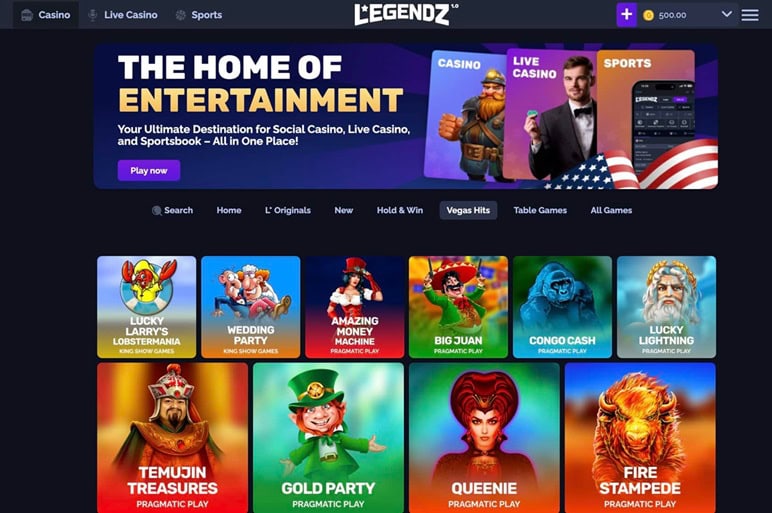
This means sites where, rather than real money, players use Gold Coins (GC) or Sweepstakes Coins (SC) to play games or make sports picks. GC are purely for fun, whereas SC can be redeemed into real cash prizes, usually at a 1:1 exchange rate. Free coins and spins are often plentiful in sweeps bonuses and promotions, but players can buy coin bundles too if they like.
This mechanism was innovated by Chumba in 2012 and was based on in-person sweepstakes cafes. Basically, the use of virtual tokens means these sites aren’t classified under, or restricted by, traditional gambling law. Rather, they function under sweepstakes rules, meaning they’re available in states where traditional gambling might be off-limits.
Put simply, players can enjoy video slots, live dealer games, arcade games, scratchcards, fish shooters, RNG table games, and more, choosing to play in either GC or SC-modes.
Parimutuel-powered Games/Advance-deposit Wagering
Parimutuel-powered games are a strange mix of casino games and horse racing – these sites are built around horse race wagering rules, even if they don’t look like it at first glance.
At their core, they are tied to parimutuel betting, where all wagers go into a shared pool and payouts are determined by the outcome of a horse race. This way of betting is already used in regulated horse racing markets, often on advance deposit wagering (ADW) platforms.
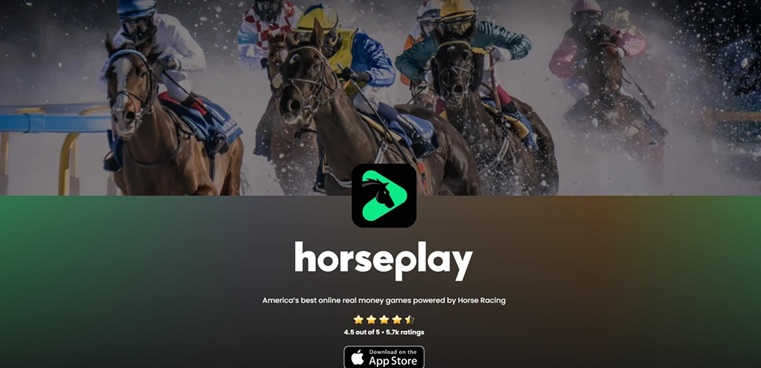
Then modern sites like Horseplay and GiddyUp wrap race outcomes in a video slot or arcade game interface. The spin of a slot at these sites doesn’t work on randomness in the way a standard online slot would (via a random number generator). Instead, the game effectively acts as a visual layer that reveals the result of a horse race (and its associated betting pool).
This difference is important from a legal point of view. Traditional online slots are treated as casino games and are restricted in most states, whereas parimutuel wagering falls under separate racing regulations. Whether this is legal depends on the state.
In short, these sites exist largely because they are classified as legal horse racing wager platforms rather than casino-style gambling, even if the user experience feels much more like the latter.
Card Collection Games
1
2 Free MC + 5 Cards
- Legal in 48 states
- Collectible card battles
- Slots & live dealers
When Card Crush launched in late 2025, it introduced a new format within the alternative gaming space by combining a card unboxing/collection system with a standard casino-style gaming lobby.
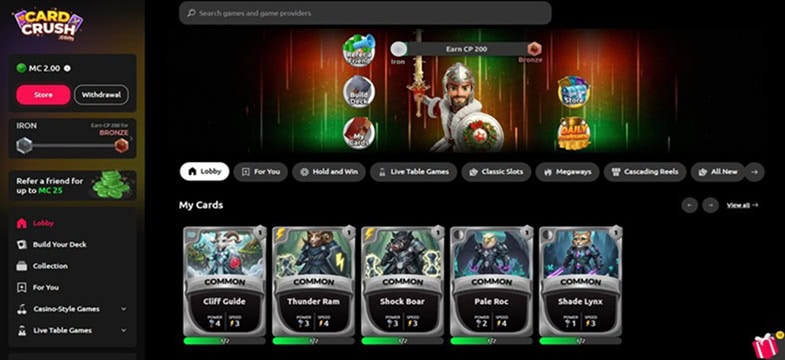
The platform is aimed squarely at markets where sweepstakes-style models have been outlawed, and rather than using a vanilla GC/SC dual currency system, Card Crush centers around Mystery Boxes which hold both collectible cards and in-platform Mystery Coins (much like SC).
The cards are used in automated player vs. player tournaments – your deck is matched against other members’ and outcomes are determined by card stats rather than any skill-based input. Winners then earn Loyalty Points which feed into VIP tiers and unlock platform perks.
However, in practice, users tend to engage mostly with the casino-style games (slots, live dealer games, and arcade titles) at Card Crush using Mystery Coins to play. The card game functions as a progression and reward layer sitting alongside the casino – it works as a vehicle to deliver the Mystery Coins.
This setup is widely seen as an attempt to reframe how in-game value is packaged, particularly in states with restrictions on sweepstakes-style dual currency models like California and New York.
Prediction Markets
Prediction markets are one of the more unusual forms of alternative gaming, sitting somewhere between trading platforms and betting sites.
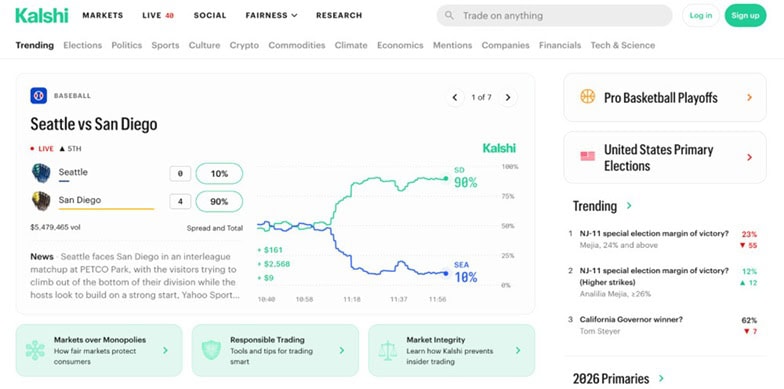
Instead of wagering on traditional sportsbook markets, players buy and sell ‘shares’ in the outcome of real-world events – that’s anything from sports, elections, and weather events to even pop culture moments like who’ll appear at the Super Bowl half-time show. Speaking of the Super Bowl, Kalshi trading on the game’s result in 2026 hit around $1 billion!
Each prediction outcome is generally priced between $0 and $1, reflecting the market’s view of how likely it is to happen. If your prediction is correct, the contract settles at $1, and if not, it settles at $0.
Vitally, prices move based on supply and demand, meaning you can choose to lock in profits early or cut losses before an event concludes – this is rather than waiting for a final result like you would with a traditional bet. Of course, you can buy more than 1 ‘share’ for each event, resulting in big wins, and potentially big losses.
This creates a system that feels less like gambling and more like trading, so in the US, platforms like Kalshi operate under regulation from the Commodity Futures Trading Commission. It frames these markets as financial derivatives rather than gambling products. For example, Kalshi argues that users can hedge the results and impact of a team losing a baseball game, whereas regulators might argue that this is just sports betting.
Indeed, Kalshi is facing plenty of legal challenges from state regulators in 2026. We’ll just have to wait and see how these battles play out and affect the future of prediction markets.
Daily Fantasy Sports (DFS)
Daily fantasy sports was one of the earliest big alternative gaming products in the US, with platforms like DraftKings and FanDuel dominating the space.
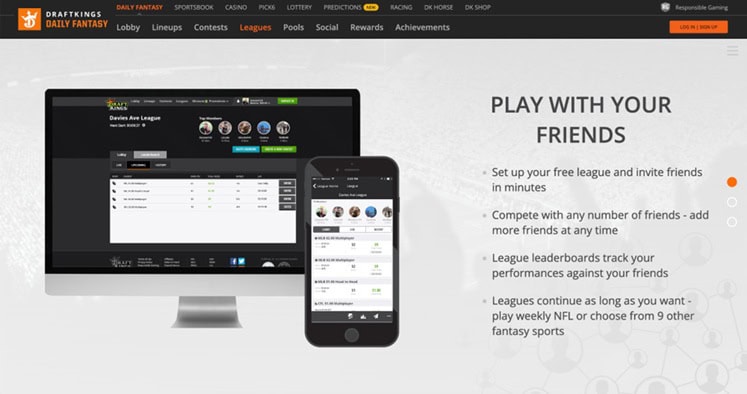
In simple terms, DFS involves players building a virtual team of real-world athletes within a salary cap, then competing against other users based on how those athletes perform in real matches. Points are awarded for stats like goals, yards, assists etc., and the highest-scoring lineup wins a share of a prize pool funded by entry fees. NBA and NFL are the most popular DFS sports to compete on, but MLB, NHL, and soccer competitions are also available.
However, with the expansion of legal sports betting in the US (thanks to PASPA being repealed in 2018), DFS has become less of a draw. In DraftKings’ 2025 SEC filing, the company said revenue from DFS had dropped as users moved to sportsbook products.
Still, some users prefer DFS, especially those who like the strategy side of building lineups and tracking stats. DFS also has a strong social edge to it, with private leagues and friend-based contests where you’re competing against people you know.
Skill-based Games
1

Up to Free $20.00
- 21 Excellent P2P games
- SoloPlay also available
- Fledging Discord community


Some players don’t like playing casino-style games because they have no control over the outcome – there’s no skill involved. This is where skill-based games come in, and you can access them on platforms like MaxDuel and Skillz.
Instead of spinning reels or being at the whim of RNG-based results, players can compete directly against each other in arcade-style games where the highest score or best performance wins the prize pot. There is no house-banked casino in the traditional sense; the platform typically takes a fee or rake instead.
And when games are skill-based rather than chance-based, this opens them up to real-money wagering in new jurisdictions. For example, MaxDuel is available in 40 states currently.
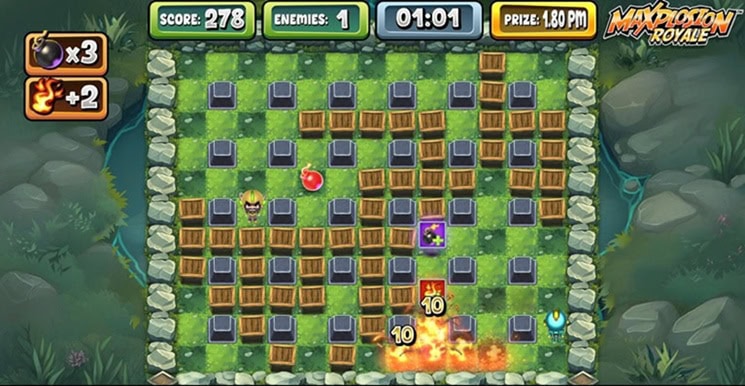
MaxDuel has 21 different titles too, and most of them are available as player vs. player games. One of the best is MaxPlosion Royale, which is reminiscent of the arcade game Bomberman. You can compete against up to 3 other players, and the aim is to clear the crates and try to trap your enemy by planting one or more bombs in the right place.
By the way, you can bank in cryptocurrencies at MaxDuel too.
The Skillz platform introduces a broader tournament system, hosting thousands of mobile games where players compete in leaderboard-based contests across multiple skill genres.
WorldWinner has also long operated cash tournaments based around puzzles and card games – it’s one of the earliest examples of this model.
Subscription-based Games
Rounding out this list we have subscription-based gaming, which can describe various types of gameplay within it, often with crossover with real-money and sweepstakes-style gaming.
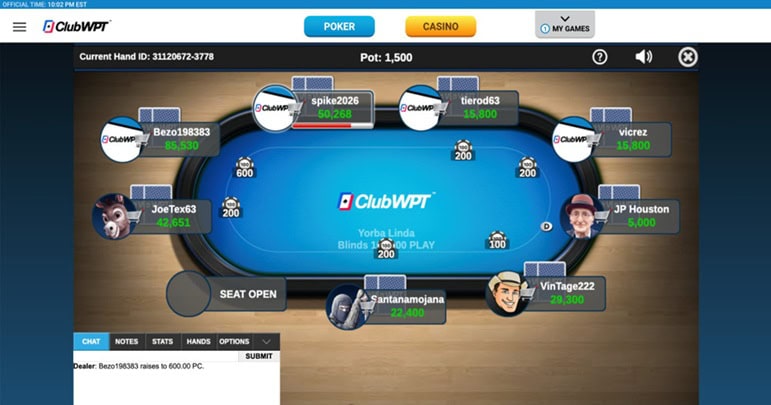
One of the most established examples of subscription-based gaming is ClubWPT, an online poker site where members receive Play Chips for casual games and Tournament Points (TPs) for competitive play. TPs are then used to enter player vs. player poker tournaments, where cash prizes are awarded based on finishing position.
This system is how ClubWPT has been able to operate in many US states where licensed real-money online poker is not available – it’s structured around a subscription-based sweepstakes model rather than direct real-money poker buy-ins.
We’ve also seen Thrillaroo launch recently, a casino with an interesting and novel subscription model.
Players can sign up for 7-day or 30-day memberships (at $29.99 or $99.99 respectively), receiving access to casino-style gaming in Chill Mode and Thrill Mode. The former uses Chill Points, which are analogous to Gold Coins, and the latter uses Thrill Tokens, which have real monetary value assigned. These must be purchased on the platform, and they can also be cashed out if winnings are achieved.
As you can see there are elements of both sweepstakes and real-money gaming at play.
Then, the twist comes at the end of the subscription period – this involves the ‘Win Win Guarantee’. If the player is up, they get to keep their winnings, but if they’re down, their losses are refunded! So the player will always come out at least even, aside from their subscription fee, and there’s a chance they could have made money overall.
This system is brand new and yet to be tested legally against online gambling restrictions, but it helps illustrate the broad church of subscription-based gaming.
Are Alternative Gaming Sites Legal in the US?
Yes, all of the above alternative gaming sites are legal in at least some US states – often in many.
These formats have generally grown around the patchwork of state-level gaming legislation, so while some states are stricter than others, alternative gaming tends to provide all gamers with at least a few different options in their state.
The alternative gaming market tends to have a fluid nature, and offerings can be impacted by new legislation, court cases etc. too.
For example, sweepstakes casinos were definitively banned in a handful of states last year including California and New York. Combined, these two states represent a population of close to 50 million people, so sites like Card Crush, GetGud, and Clash5 emerged recently as a viable way for these folks to game in some form. Horseplay and GiddyUp are also available in these two states, by the way.
SweepsKings always includes a clear list of restricted/supported states in our comprehensive platform reviews.
Types of Games Offered via Alternative Gaming Apps
Different alternative gaming models support different types of gameplay. The table below summarizes the main game types available within each category so you can make a choice as to which style is the best fit for you.
| Alternative Gaming Format | Games Offered |
|---|---|
| Sweepstakes casinos and sportsbooks | Slots, jackpots, live dealer games, arcade games, scratchcards, fish shooters, RNG table games, bingo, video poker |
| Social casinos | Slots, jackpots, live dealer games, arcade games, scratchcards, fish shooters, RNG table games, bingo, video poker |
| Parimutuel-powered games/advance-deposit wagering | Slots, arcade games, bingo |
| Card collection games | Card battle game, slots, jackpots, live dealer games, arcade games |
| Prediction markets | Event contracts |
| Daily fantasy sports (DFS) | Build a team from NFL, NBA, NHL, MLB, and soccer players |
| Skill-based games | Arcade games, puzzles, card games |
| Subscription-based games | Poker, casino games |
Are Deposits and Withdrawals Necessary?
Whether deposits are necessary depends on the format, but we can say that the following styles of alternative gaming work via a ‘no purchase necessary’ rule:
- Sweepstakes casinos and sportsbooks
- Social casinos
- Card collection games
These three styles all offer some form of welcome bonus to get you going at the start, and you may find other ongoing bonus methods to fuel your play too. More on this below.
Out of these three, sweepstakes casinos/sportsbooks and card collection games allow redemptions into real cash too – usually at a 1:1 rate from virtual token to cash. Social casinos, on the other hand, are purely for the love of gaming!
In fact, all formats listed on this page except for social casinos should allow some form of redemption or winnings, if that’s what you’re looking for.
What About Bonuses?
We touched on bonuses above, but free coins are generally available at:
- Sweepstakes casinos and sportsbooks
- Social casinos
- Card collection games
First, you’ll find a welcome bonus, which gives you GC and SC (or equivalents) to begin your journey on the platform. This will usually include a no deposit bonus – something that everyone receives completely for free. Then players will often be able to find first purchase bonuses in the coin store which offer huge discounts on…their first purchase!
After the signup period is over, there are plenty of ongoing bonus methods too. These can include:
- Daily/login bonuses: Many sweepstakes casinos/sportsbooks and social casinos offer free coins every 24 hours just for logging in, so it pays to do so, literally. The rewards may sit at a fixed number, be dependent on your login streak, or be decided via a wheel spin.
- VIP programs: Loyalty programs are an important part of these alternative gaming sites. It tends to be that the more you play, the higher your rank, and in this way you can unlock various perks, including free coins.
- Alternative Method of Entry (AMOE): The mail-in entry or AMOE is a cornerstone of sweepstakes gaming, proving that you can play without spending a cent. Players will follow instructions on the site in question and write and mail physical letters or cards in. Each entry gains you a coin or two, and some sites like Chumba have even started offering online AMOE entries.
- Referral bonuses: Pretty much all sites offer referral rewards for players bringing in other new users, especially when those users make purchases. This is often handled through a unique shareable link, where each successful registration is tracked and credited to your account, with rewards issued in return.
- Jackpots: Jackpots are one of the most exciting elements of sweepstakes and social gaming. Players can opt-in to contribute a small portion of each spin to the various jackpot tiers, and then one or multiple players will win big when the jackpot hits randomly. Some of these jackpot prizes can be life changing sums. For example, one user won a gigantic 852,958 SC jackpot at Spree last year!
- Social media giveaways: Not all casinos have social media accounts, and some are more active than others, but brands like McLuck post regular competitions and challenges where players can earn free coins just by commenting.
Some players manage to exist purely on bonuses without spending a cent at sweepstakes casinos and sportsbooks. In fact, it’s estimated that around half of all sweepstakes players game in this way. This is one reason why the format is so popular in the US!
SweepsKings’ Future Predictions About the US Gaming Market
The US gaming market is likely to continue splitting into two main parallel tracks.
Already we have the slow expansion of regulated online casino gaming in a small number of states; that’s alongside the faster evolution of alternative gaming in jurisdictions where full iGaming has not yet arrived.
On the regulated side, online casino expansion will probably remain fairly uneven, at least compared to sports betting, which grew rapidly after the repeal of the Professional and Amateur Sports Protection Act of 1992 (PASPA) in 2018.
Right now, the legal iGaming states are New Jersey, Pennsylvania, Michigan, West Virginia, Delaware, Connecticut, Rhode Island, and – most recently – Maine. That leaves the majority of US states without some form of regulated online gaming, providing fertile soil for alternative formats to grow and bloom.
Sweepstakes/Social Gaming
Sweepstakes casinos and sportsbooks look set to remain one of the most under-fire alternative gaming categories, but also one of the most popular for their broad appeal.
Yes, lawmakers will likely continue considering whether to outlaw dual-currency systems in legislatures around the country. In 2025, Montana, Connecticut, New Jersey, California, and New York all banned the sweeps format, while in 2026, Indiana and Maine did the same, with others potentially on the way.
Because of this, research firm Eilers & Krejcik predicted a 10% drop in overall market revenue for sweepstakes casinos in 2026. However, even with this factored in, the sweeps market will still be worth around $3.6bn overall in 2026.
It seems that future prospects for sweeps will depend on whether states continue to ban the format, and at what pace.
Social casinos, on the other hand, should remain stable thanks to their lack of a cash-out mechanic – this is generally seen as the lowest risk format in the space.
Prediction Markets
Prediction markets have a lot of eyes on them too. As the market leader, it’s estimated that Kalshi generated $260m in revenue in 2025, but its position in the US is becoming increasingly difficult, legally speaking.
While Kalshi operates under federal regulation via the Commodity Futures Trading Commission (CFTC), states such as Nevada, Ohio, and Arizona have used existing gambling laws, lawsuits, fines, and even criminal charges to restrict the format.
Meanwhile, states like Minnesota have begun introducing legislation that would explicitly ban prediction markets. This shift toward formal bans is similar to how states have approached sweepstakes casinos, although prediction markets are at an earlier stage of that process.
So, much like sweeps, the future of prediction markets will likely be shaped by regulatory action over the next few years. In this case, however, the outcome may hinge on how conflicts between state regulators and federal oversight are ultimately resolved.
DFS & Sportsbooks
Regulated online sports betting continues to grow as a feature of American life. According to the Siena/St. Bonaventure Annual Sports Fanship Survey, 27% of Americans now have an active online sportsbook account, up from 22% in 2025 and 19% in 2024.
This sportsbook expansion through apps like DraftKings, Caesars, FanDuel, or BetMGM has likely contributed to DFS occupying a smaller role within the broader betting ecosystem. This is supported by things like DraftKings’ 2025 SEC filing where the company said there had been “a reduction in revenue related to our DFS product offering as competition increased and customers shifted to Sportsbook”.
Overall, rather than converging into one model, the US market is fragmenting into legal iGaming alongside various alternative gaming types that evolve around the various state laws.

Closing Thoughts
While SweepsKings will always focus on sweepstakes casinos and sportsbooks, it’s clear that alternative gaming is opening up more ways than ever for players to get involved.
For those in states where sweeps platforms are restricted – and where regulated iGaming still hasn’t arrived – formats like skill-based games, prediction markets, and parimutuel-style platforms offer new and evolving options worth exploring.
They might not replace sweeps entirely, but they do show that the US gaming market is full of opportunity for players willing to branch out.

Author: Alex Windsor
Updated:
The man, the myth, the legend, Alex is the head honcho in charge of SweepsKings, where he puts his 15+ years of iGaming experience to good use. He ensures all articles are accurate and motivates the team to produce truly exceptional content. Whenever you receive an exclusive bonus from SweepsKings or learn about a brand-new sweepstakes casino, you can thank Alex!
The man, the myth, the legend, Alex is the head honcho in charge of SweepsKings, where he puts his 15+ years of iGaming experience to good use. He ensures all articles are accurate and motivates the team to produce truly exceptional content. Whenever you receive an exclusive bonus from SweepsKings or learn about a brand-new sweepstakes casino, you can thank Alex!
Latest News

News
The Most-Searched Sweeps Casinos Going Into October 2026
News
Modo & Stake.us Announce Upcoming Oklahoma Restrictions

News
Pulsz To Launch Halloween Wheel With Free Spins and Coins
News
New Pennsylvania Bill Would Ban Sweepstakes Casinos
News
Social Casinos
Social casinos are easy to conceptualize as: similar to sweepstakes casinos but without the secondary coin. It’s as if you’re playing games only for fun in GC mode.
Even though sweepstakes casinos are not technically gambling, some jurisdictions still restrict the format due to the cash redemptions and perceived similarities to real-money gaming. However, social casinos do not suffer under this because they are 100% for fun with no possibility of redeeming coins into cash.
Players can buy Gold Coins to boost their balance, but this is often not necessary.
Sites to play at: High 5, Hard Rock Social Casino, POP! Slots
USPs: Available in every single US state due to the fact that the games are played completely for fun.
Fun level: Slots, arcade games, and more can be just as exciting as those found at other casinos, but the fact that you can’t redeem coins for cash prizes might change the equation for some players.