New York lawmakers will examine a new bill aimed at restricting how gambling advertisements are shown to under-18s online, including provisions covering sweepstakes casinos.
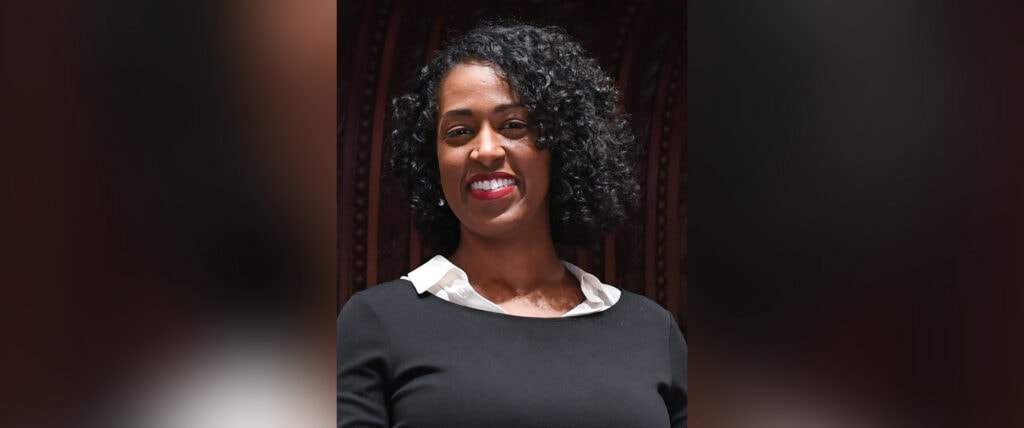
Senate Bill 10092, titled the ‘No Gambling Ads for Kids Act’, was introduced by Sen. Samra G. Brouk (pictured) on April 28 and has been referred to the Senate Internet and Technology Committee.
What might make this surprising is that New York already passed S 5935 last year which explicitly banned sweepstakes casinos in the Empire State, and pretty much all sweeps operators have already left the state.
However, advertising to minors was not covered in S 5935 and the new proposal doesn’t only target sweepstakes casinos – far from it. SB 10092 casts a wide net, covering:
- Traditional online gambling
- Sports betting and fantasy contests
- Loot boxes and in-game microtransactions
- Predictive markets
- Online sweepstakes gaming
- Even social gaming platforms, and more
At its core, the bill would make advertisements for the above types of gaming to those below 18 illegal, crucially including “sponsored content, influencer marketing, affiliate marketing, algorithmic promotion, targeted amplification or cross-platform promotional placements”.
And when it comes to sweepstakes gaming, SB 10092 defines it in a way that clearly captures the dual-currency model used by most sweepstakes casinos – systems where users can buy one digital currency while becoming eligible for cash equivalents via another.
NY Already Has Standards in Place
But you might be saying “Surely advertising gambling to minors is already illegal?” And the response would be: yes, there are already restrictions in place in many states, including in NY.
For example, the New York Racing, Pari-Mutuel Wagering and Breeding Law §1363(2)(c) says that gambling advertisements must not depict “any person under the age of twenty-one engaging in gaming and related activities”.
Then, 9 NYCRR §5325.6, the sports wagering advertising standards issued by the State Gaming Commission, state that:
“No sports wagering message shall be designed to appeal primarily to those below the legal age for sports wagering by depicting cartoon characters or by featuring entertainers or music that appeal primarily to audiences under the wagering minimum age”
All that being said, SB 10092 would modernize how protections are applied in newer digital environments, especially by bringing influencer marketing, algorithmic promotion, and social media explicitly into scope.
In terms of penalties, the bill states that:
“Any violation of this section shall constitute false advertising under section three hundred fifty-a of this chapter and may be enforced by the attorney general or the New York state gaming commission.”
So rather than straight fines, the AG or Gaming Commission would potentially seek court injunctions, civil penalties, and settlement orders requiring behavior to stop.
Not a New Regulatory Approach
This kind of layered approach isn’t all that unusual – a useful comparison comes from Belgium.
For example, under the Belgian Gaming Act of 7 May 1999, unlicensed gambling is illegal, and regulators later applied that framework to classify paid loot boxes as unlawful.
Then years after that, Belgium introduced a separate measure – the Belgian Royal Decree on Gambling Advertising (2023) – which imposed strict limits on how gambling can be advertised, including bans across TV, public spaces, and sponsorships.
New York appears to be following a similar path, although enforcement will likely be difficult and messy.
The advertising methods targeted do not necessarily have an easy switch to turn off advertisements to under-18s. For example, ‘algorithmic promotion’ is used across all major social media platforms – content is distributed based on engagement and user behavior rather than strict age-based controls.
In practice, that makes this kind of age targeting difficult to guarantee. As a result, enforcement would likely rely on whether platforms can show they’ve taken reasonable steps to limit exposure more than anything.
For now, the bill is still at a very early stage, but already raises questions about secondary layers on top of gaming bans already in place.
The New York legislative session for this year runs until June 4.

Author: Joseph Allen
Updated: