Arkansas Attorney General Tim Griffin has brought a lawsuit against popular sweepstakes casino operator VGW.
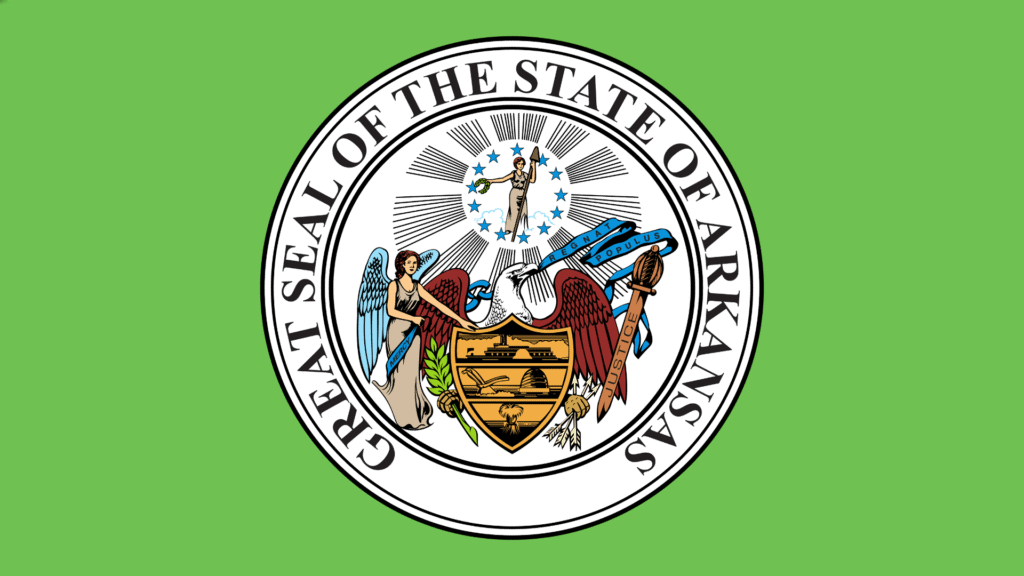
Filed on November 4 in the Circuit Court of White County, the suit alleges that VGW’s platforms (Chumba Casino, LuckyLand Casino, LuckyLand Slots, and Global Poker) have been offering illegal gambling in the Natural State.
Griffin accuses VGW of following the traditional sweepstakes café playbook and heavily criticizes the dual-currency Gold Coins and Sweeps Coins model that VGW’s sites use. The complaint argues that Arkansas has long prohibited unauthorized gambling, citing state laws such as § 5-66-103 of the Arkansas Code.
According to the filing, the primary aim of the suit is:
“To stop Defendants’ illegal gambling operations in Arkansas, recover money unlawfully obtained from Arkansas consumers, hold Defendants accountable for their deceptive and unconscionable practices, impose civil penalties, and obtain all other relief available under Arkansas law.”
With an overall population of just over 3 million, Arkansas is one of the smaller markets for sweeps casinos, but Griffin claims VGW generated $66 million in revenue from AR residents between July 2025 and June 2026, paying around $6 million in sales and use tax on that total.
Regulatory Pressure Mounts on Dual-Currency Operators
While Arkansas permits land-based commercial casinos and online sports betting, the state has not authorized online casino gaming (iGaming).
However, sweepstakes platforms have historically operated within a legal gray area, using dual-currency frameworks to avoid classification as traditional real-money gambling but offering players the chance to redeem cash prizes.
Although the vast majority of sweepstakes operators accept players from Arkansas, VGW regularly bears the brunt of state-level enforcement actions as a market leader. This lawsuit follows similar state-backed legal actions earlier this year in Florida and Kentucky.
Florida Attorney General James Uthmeier targeted both VGW and Stake, while Kentucky Attorney General Russell Coleman focused exclusively on VGW. The operator also reached an $8 million settlement with New York Attorney General Letitia James in September to resolve an investigation into its operations within the state.
Griffin’s legal push extends beyond sweepstakes platforms too. At the same time, the AG filed a separate lawsuit against prediction market provider Kalshi, arguing that the platform functions as an unauthorized gambling service and labeling it a “pocket-size bookie.”
What This Means for the Sweepstakes Sector
Griffin’s suit against VGW is another clear sign that state regulators are turning up the heat on sweepstakes casinos.
It is worth noting that the sweeps format still hasn’t been ruled as illegal gambling anywhere in the US, though. Out-of-court settlements, including the one in New York, don’t establish any admission of wrongdoing, and operators still maintain that their ‘no purchase necessary’ setup complies with standard sweepstakes laws.
Settlements don’t create legal precedent either, but a mounting wave of state lawsuits creates commercial pressure all the same. With more state AGs stepping into the ring, operators are facing a stream of expensive legal battles and we’ll continue to monitor each one closely.

Author: Joseph Allen
Updated: