Two months after our report, the Florida AG brought a very similar lawsuit against VGW, Stake.us, and their payment processors.
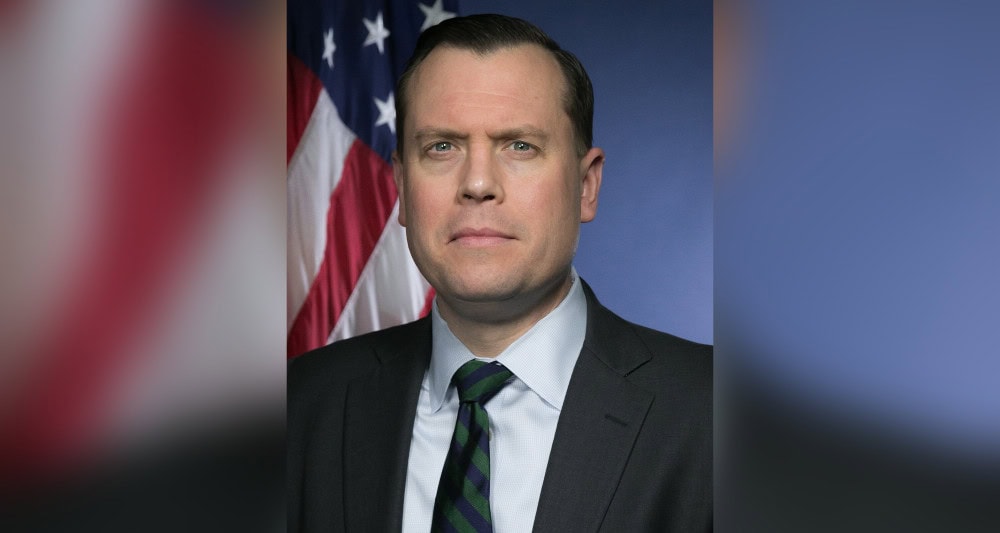
Kentucky’s Attorney General, Russell Coleman (pictured), filed a civil enforcement action this week against VGW, the operator behind popular sweepstakes platforms Chumba Casino, Global Poker, and LuckyLand.
The case is being brought under Kentucky’s gambling loss-recovery laws and consumer protection statutes. It claims that VGW’s dual currency systems (with virtual tokens like Gold Coins and Sweeps Coins) are simply an obfuscation for real money gambling.
Several operators are out of Kentucky, but VGW’s brands remain for now, along with 50+ other KY sweepstakes casinos.
The Aim of this Lawsuit
The Kentucky AG is essentially attempting three things here:
- To recover money lost by Kentucky residents who played on these platforms
- To apply treble damages in certain circumstances under state law
- To shut down the operations deemed “illegal gambling devices” in the state
The legal theory is straightforward: if Franklin Circuit Court (state trial court) agrees these products are classed as illegal gambling (rather than a legal sweepstakes or social casino), then players’ losses can be treated as recoverable under Kentucky’s gambling recovery statutes.
Coleman also brought similar cases against prediction market operators Kalshi and Polymarket at the same time; it seems the AG is looking to get tough on operators he deems as offering illegal gambling in the Bluegrass State.
Why the KY VGW Case is Different
According to gaming attorney Daniel Wallach, this is the first time a state AG has brought a civil enforcement action directly against a sweepstakes casino operator.
Kentucky’s lawsuit against VGW is the first enforcement action brought by a state attorney general against an online sweepstakes casino operator. The last time KY sued an illegal online gambling operator (PokerStars) it recovered $300M under the same loss recovery statute. pic.twitter.com/Ck5J4efddb
— Daniel Wallach (@WALLACHLEGAL) June 18, 2026
Other similar efforts have come from the city level – Los Angeles brought a case last year targeting sweepstakes casino-style operations, and Baltimore also filed a similar case earlier this year.
However, Kentucky is operating at a higher level and using legal arguments that have been used in major gambling disputes. Wallach also notes that Kentucky previously used the same loss-recovery statute in its action against PokerStars, resulting in a reported ~$300M recovery.
The next steps in this VGW case are likely to be:
- Defendants will respond or move to dismiss
- The court will first decide whether the claims are legally valid
- If it survives, it moves into discovery
The key question: is this a legal sweepstakes product or an illegal gambling operation under state law?
Zooming out, there have been multiple public and private cases brought against sweepstakes casinos over the years, but none have yet produced a final ruling settling the legality of the model. The public cases in LA and Baltimore remain in their early stages, with no reported rulings yet.
VGW did post record revenue figures (US$4.76 billion) last month for the previous financial year.
This new case will be another unwanted development, with the company recently replacing their CEO Laurence Escalante after his arrest on assault and drug-related charges in his home country of Australia.

Author: Jon Ridehalgh
Updated: