It’s nearly the end of May and most state legislative sessions around the nation have already ended.
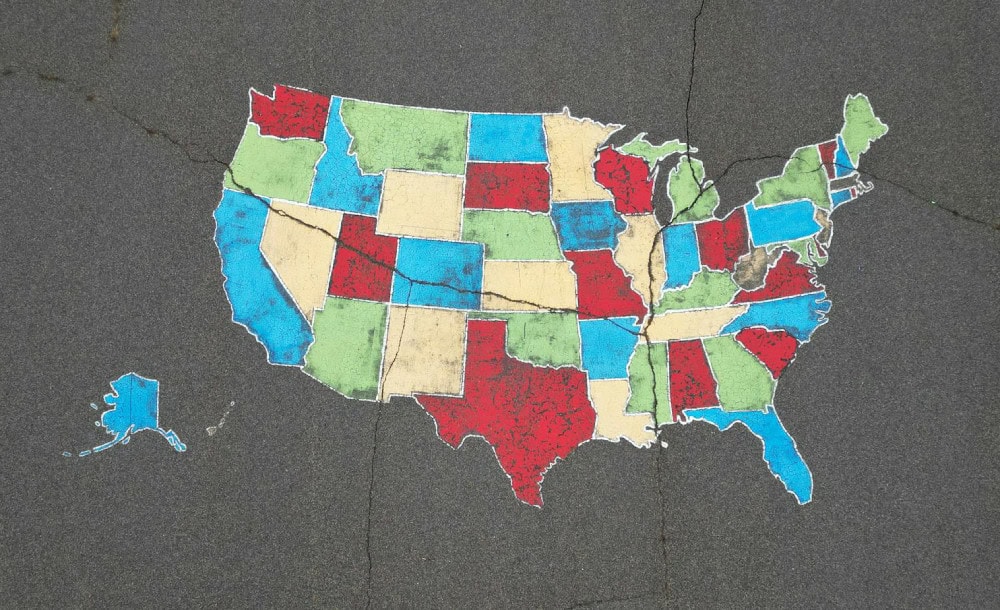
This means the fate of most sweepstakes casino-related bills has now been decided, so let’s run through another roundup of all the recent action to keep you informed.
Tennessee (Passed)
After a flurry of activity, SB 2136, TN’s anti-sweepstakes bill, ended up passing the legislature on the final day of the session (April 23), before being signed by Governor Bill Lee more recently.
According to the bill’s wording, it’s already in effect, so the remaining sweepstakes operators in the state will be scrambling to leave the jurisdiction; many already left the state after a wave of cease-and-desist letters from the Attorney General last year.
Any who remain will open themselves up to civil penalties and injunctions under the Tennessee Consumer Protection Act.
Oklahoma (Passed after Veto)
There was quite a bit of action in OK too. Anti-sweeps bill SB 1589 passed the legislature at the start of the month, then was vetoed by Governor Kevin Stitt who stated:
“This bill is so broad that it criminalizes everyday apps people use for fun. It also unnecessarily creates a new felony and extends criminal liability to businesses and service providers.”
However, the legislature used its power to overturn the Governor’s decision in a rare move, ultimately bringing SB 1589 into law, effective November 1. Now the operation of a sweepstakes casino will become a Class C2 felony offense, for both sweeps brands and their supply chain.
Louisiana (Passed Two Bills)
The Louisiana legislature passed HB 53 and HB 883, two interacting bills that relate to the legality of sweepstakes casinos in the Pelican State, then Governor Jeff Landry signed them both last week.
HB 883 amends the Louisiana Revised Statute 90.3 to move dual-currency sweepstakes casinos under the definition of “gambling by computer”. HB 53 then makes “gambling by computer” a crime punishable under racketeering laws, upping the seriousness of such an offence.
Some will argue this is a moot point, since all legitimate sweepstakes operators have already left Louisiana after a wave of cease-and-desist letters. However, the two bills shore up LA’s stance even further, ensuring it has one of the strictest anti-sweeps frameworks in the whole country. It’s applicable to operators and the wider supply chain – in fact, it can even apply to the end user too.
Minnesota (Failed)
Both anti-sweeps measures in MN (SB 4474 and HB4410) failed to pass the legislature in time, meaning sweepstakes operators in Minnesota are safe for another year.
Despite looking to ban sweeps brands and the supply chain, the bills just didn’t make the required progress through the two chambers before the May 18 deadline.
Iowa (Introduced New Enforcement Powers)
Iowa’s Senate File 2289 is an omnibus-type bill expanding the state gaming regulator’s authority to issue cease-and-desist orders to various types of gaming operator it deems illegal. This includes IA sweepstakes casino operators.
The bill passed the legislature at the end of April and was signed into law by Governor Kim Reynolds earlier this month. That will bring the proposal into effect on July 1, catching Iowa up with the enforcement powers already used by regulators in many other states.
Washington D.C. (Pending)
Councilmember Wendell Felder in D.C. is hoping that the District might consider legalizing iGaming through Council Bill 260656, which would also prohibit unregulated forms of gaming such as sweepstakes casinos. Felder has argued that black market gambling is already happening in the District, and that regulation would allow the capturing of valuable tax revenue.
With a population of around 700,000, D.C. wouldn’t be the largest sweepstakes market to be affected, but the proposal has shown some early movement. After being introduced in April, the bill progressed to committee review and received a public hearing on May 4.
However, while the District operates on a year-round legislative calendar, no committee vote or further council action has been recorded, leaving its longer-term prospects unclear.
New York (Pending New Measures)
Despite being one of the five states that banned sweepstakes casinos outright last year, NY has shown it’s still open to restricting advertising around the format, specifically to minors. Senate Bill 10092, AKA the ‘No Gambling Ads for Kids Act’, is sponsored by Senator Samra G. Brouk and looks at restricting various forms of gaming and gambling advertising to under-18s.
However, it’s not made any progress in the Senate since being referred to the Internet and Technology Committee on April 28, and with New York’s regular legislative session scheduled to end on June 4, the bill is fast running out of time to advance this year.
New Jersey (No Action)
In NJ, SB 1500 is a fully-fledged attempt by a state to regulate and license sweepstakes casinos instead of banning them outright. The bill was introduced by Senator Joseph Cryan in January and would classify sweepstakes casinos as a form of regulated internet gaming under New Jersey law.
This is despite New Jersey being one of the five states to ban the vertical last year. Therefore, it’s perhaps no surprise that this bill seems to have effectively stalled with no action since it was introduced.
Conclusion
So just like last year when Montana, Connecticut, New Jersey, California, and New York banned the sweeps format, we have another five states doing the same in 2026: Indiana, Maine, Tennessee, Louisiana, and Oklahoma. Sure, the impact isn’t quite as big because these states are less populous overall, and Louisiana was already out of the picture anyway, but it shows that anti-sweeps sentiment continues to create change in the US.
There are still a couple of loose ends to tie up this year, but many stakeholders will already be looking to next year’s session for a likely new round of proposals.

Author: Michael Fatouros
Updated: