Good news – the two Virginia iGaming bills have been consolidated into a single bill and given a reenactment clause. Sweeps casinos in Virginia are safe until 2028, at least.
This week, two iGaming bills advanced in both the Virginia House and Senate, each with wording to make sweepstakes casinos unlawful in the state.
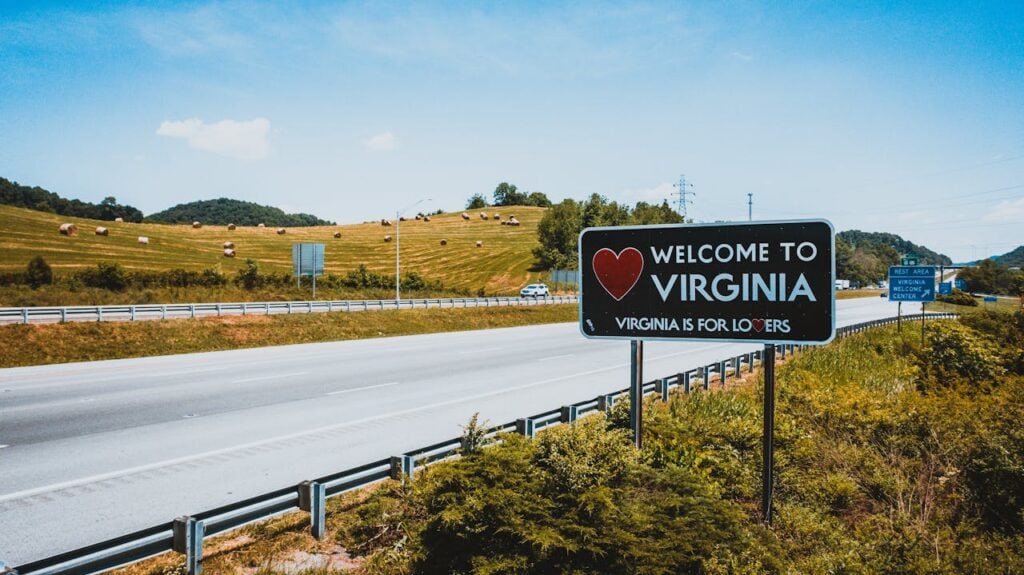
SB 118 sponsored by Senator Mamie Locke passed on Monday with a vote of 19-17, while HB 161 sponsored by Delegate Marcus Simon passed the House on Tuesday with a vote of 67-30.
Virginia iGaming Bills Would Ban Sweepstakes Casinos Under New Framework
Both bills’ main aim is to introduce regulated online casino gambling to Virginia for the first time ever, at the same time as outlawing non-regulated formats like sweepstakes casinos.
In fact, both bills contain specific wording around sweepstakes and sports betting, neither of which would be part of the regulated framework.
The Virginia Lottery Board would be given powers to:
“Investigate and take enforcement action, including issuing cease and desist orders and obtaining injunctive relief, against a person that offers internet gaming, sports betting, or sweepstakes games in the Commonwealth without an appropriate license issued by the Board.”
Currently, the vast majority of sweepstakes casinos operate in Virginia, including brands such as McLuck, Stake.us, and WOW Vegas.
Interestingly, both bills failed to pass on their first vote, but were later reconsidered and successfully approved on a secondary vote. This type of move essentially allows lawmakers to revisit a bill after an initial defeat, and it shows that some members changed positions, possibly after further negotiation.
SB 118 and HB 161 Aren’t Without Their Detractors
It’s clear that neither bill has passed with overwhelmingly strong support, and there are certainly critics who could hold sway in the bills’ eventual outcome.
Delegate Tom Garrett Jr. vocally opposed HB 161 during the House floor vote, warning the bill would fuel gambling addiction and social harm if passed, especially in young men. He framed it as “easily one of the worst bills of this session, and by golly, that’s saying something.”
Both SB 118 and HB 161 contain much of the same language but with a few small differences. Both bills have also been amended since introduction to address issues such as lawmakers’ concerns for adequate consumer protections around problem gambling.
Six states passed anti-sweepstakes legislation in 2025, and Virginia is now setting the pace in 2026, with plenty of other states including Florida and Indiana also considering similar bills this year.
That being said, the Virginia legislative session closes on March 14, meaning lawmakers have a limited period to reconcile any differences and vote the final version through. Both chambers must approve the exact same wording before sending a final proposal to the governor for approval.

Author: Jon Ridehalgh
Updated: